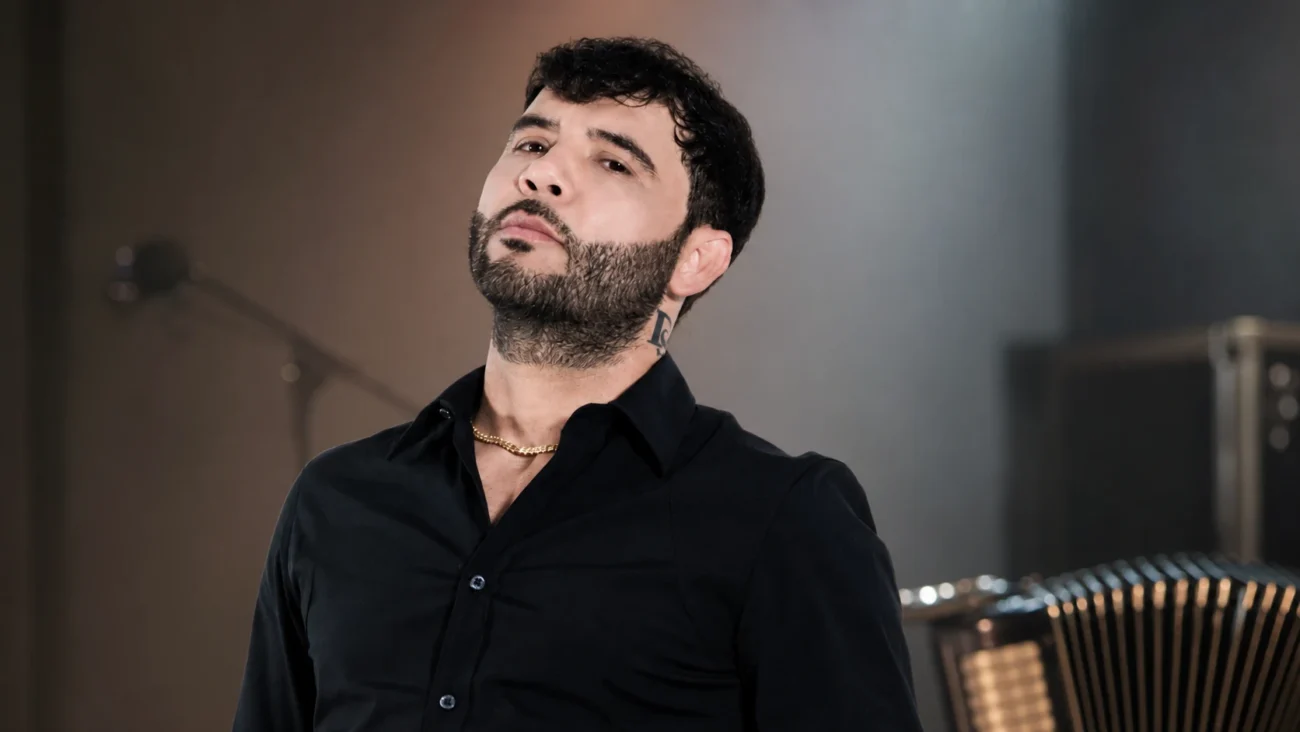
Jose Darey Castro has spent more than two decades building, losing, rebuilding, and redefining a career in regional Mexican music. Best known as the singer and central creative figure behind Dareyes de la Sierra, he first gained broad recognition through romantic norteño songs and corridos before finding a new audience through collaborations with Peso Pluma, Tito Double P, Neton Vega, and other artists connected to the modern corrido movement.
His public story is unusually clear in some areas and private in others. His career, recordings, chart history, and major collaborations are well documented. His exact age, education, family details, and personal finances are not publicly confirmed. That divide matters because many biography pages present guesses as facts, especially when discussing his birth year, wife, children, height, and net worth.
What can be confirmed is the story of a Sonoran musician who survived a deadly turning point, created a recognizable musical identity, earned major industry recognition, and returned to wider commercial attention years after his first success.
Who Is Jose Darey Castro?
Jose Darey Castro is a Mexican singer, songwriter, musician, and producer associated with Dareyes de la Sierra. A United States trademark registration for Los Dareyes de la Sierra identifies him by the fuller name José Darey Castro Borbón, making that the strongest publicly available record of his complete legal name.
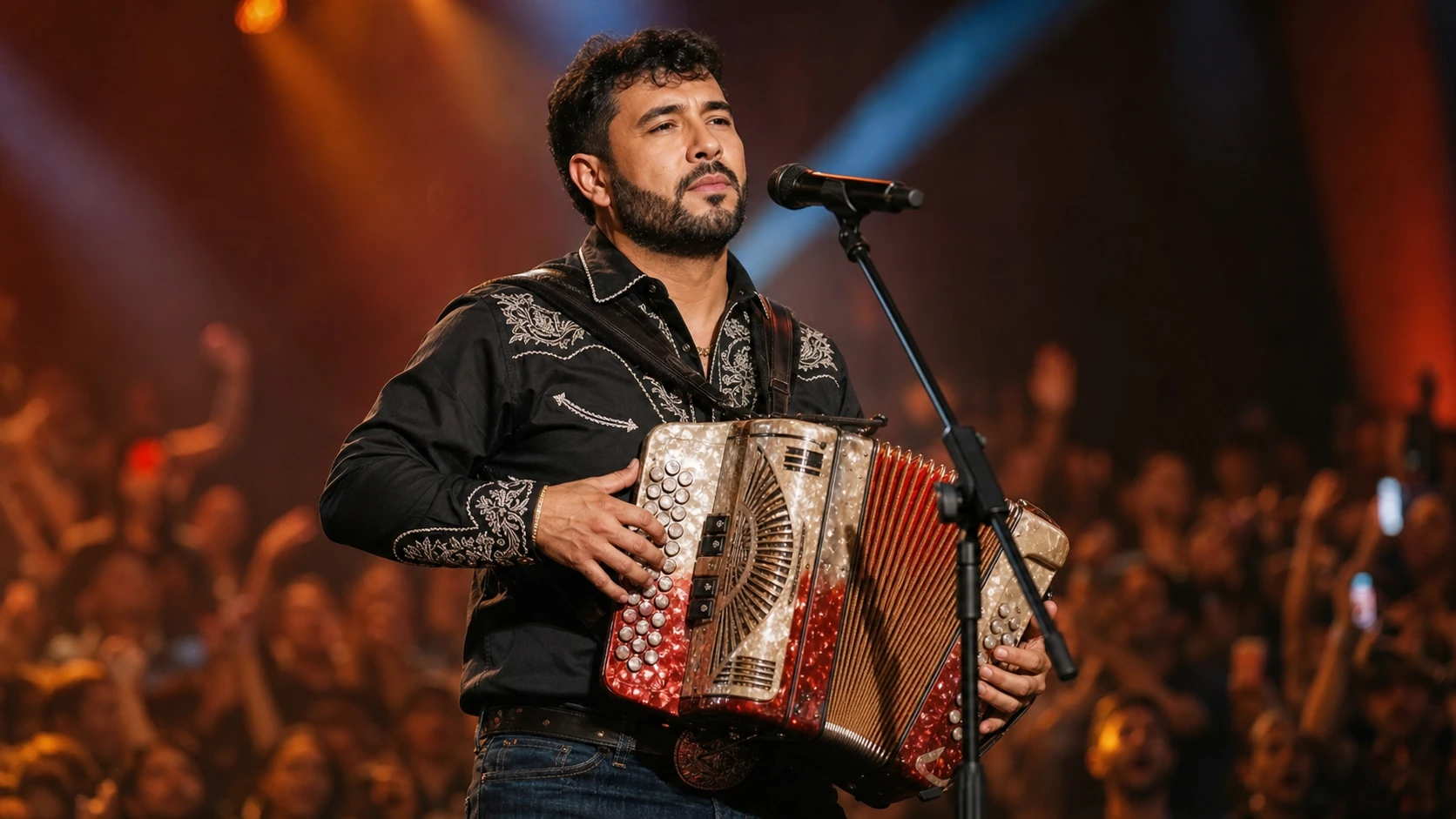
He is commonly described as the lead singer of Dareyes de la Sierra, but the act has increasingly functioned as his personal artistic identity. Castro has been credited with lead vocals, guitar, accordion, songwriting, and production across different stages of his career. Rather than serving only as the frontman of a fixed band, he has remained the continuing figure behind the name as musicians, collaborators, and musical styles have changed.
Castro comes from Navojoa, Sonora, Mexico. His nationality is Mexican, and his musical roots are closely tied to the northern Mexican traditions of norteño, sierreño, banda, and corrido music. More recent reporting has described him as based in the Los Angeles area, reflecting the cross-border audience that has supported his work in both Mexico and the United States.
Early Life and Musical Beginnings
Publicly verified information about Castro’s childhood is limited. The names of his parents, details about his siblings, and information about his schooling have not been confirmed through dependable biographical sources. He has, however, shared an important story about how music entered his life.
His father gave him a guitar when he was about 10 years old. Castro later recalled that he broke the instrument during a childhood outburst. He returned to the guitar roughly five years later and began approaching music with greater seriousness.
That early connection to the guitar became part of a wider musical ability. Castro later became associated with the accordion as well, and his recording credits show that he has worked as more than a vocalist. His ability to sing, play instruments, write songs, and contribute to production helped him retain creative control as his career moved through different groups, labels, and musical periods.
Los Alteños de la Sierra and the 2004 Attack
Before becoming widely known through Dareyes de la Sierra, Castro led a group called Los Alteños de la Sierra. Some secondary accounts also connect him to other early group names, but the most reliable public biographies identify Los Alteños de la Sierra as the key act that preceded Dareyes de la Sierra.
In 2004, the group was attacked in a violent incident that became a defining turning point in Castro’s life. Reputable music-industry accounts describe the event as deadly and confirm that the attack disrupted the group. Castro survived, but the experience left the future of his music career uncertain.
Many online retellings provide highly specific details about the attack without showing where those claims originated. The responsible version is narrower: Castro was part of Los Alteños de la Sierra, the group suffered a deadly attack in 2004, and he later rebuilt his career under a new musical identity.
That return gave his later work a deeper meaning. Years afterward, he titled a major comeback album Redención, a word that translates to “redemption.” The title fit a career shaped by survival, persistence, and the decision to continue after an event that could have ended his work in music.
Creating Dareyes de la Sierra
After the collapse of his earlier group, Castro developed Dareyes de la Sierra as his primary project. The name “Dareyes” is closely linked to his own name, reinforcing the connection between the act and its founder.
Trademark records show that Castro secured legal rights connected to the Los Dareyes de la Sierra name. The filing was made in 2008, and the mark was registered in 2009. That ownership helped establish Dareyes de la Sierra as more than a temporary lineup of musicians. It became a lasting brand attached to Castro’s voice, catalog, and public identity.
The early Dareyes sound combined acoustic regional Mexican arrangements with songs about heartbreak, loyalty, danger, and personal loss. Castro could move between romantic songs and corridos without making the two sides of his catalog feel unrelated. His rough, emotionally direct voice became the element that tied the material together.
Career Breakthrough
Dareyes de la Sierra gained wider recognition through songs such as “Sufre,” “Enséñame a Olvidar,” and “Hasta el Día de Hoy.” These recordings helped establish Castro as a singer capable of delivering emotional material with a harder regional style.
“Hasta el Día de Hoy” became one of the act’s defining songs. It performed strongly on Billboard’s Latin and regional Mexican charts in 2008 and developed a long life beyond its original radio run. Years later, the song continued attracting listeners through streaming platforms and video uploads, making it an important bridge between Castro’s first major audience and the people discovering him later.
His 2008 album Con Banda also expanded his reach. The project placed his songs in a fuller banda setting and strengthened his position within the regional Mexican market. It showed that Castro’s material could work beyond stripped-down sierreño and norteño arrangements.
The album Una Copa Más brought further recognition. Dareyes de la Sierra received a Latin Grammy nomination for Best Banda Album at the 2009 ceremony. The act did not win, but the nomination confirmed that Castro’s work had earned attention from the Latin Recording Academy as well as radio listeners and concert audiences.
Years of Continued Work
Castro did not disappear after his first commercial peak. He continued recording and performing, although his mainstream visibility became less consistent. Digital catalogs include releases such as Desde El Parral, Será El Sereno, Homenaje A Lalo El Gallo, and El Güero Palma, along with singles, live recordings, and other projects.
Those years are sometimes described as a quiet period, but that description refers more to national media attention than to a complete break from music. Castro retained his name, catalog, and core audience. He remained active while the regional Mexican business changed around him.
Streaming altered how audiences found songs, while a younger generation of singers brought corridos into global charts. The rise of corridos tumbados created an opening for artists whose music already carried themes of risk, luxury, conflict, and street-level storytelling. Castro’s older work had explored several of those subjects long before they became central to the newer movement.
“VVS” and a New Generation
Castro’s return to a younger mainstream audience accelerated through “VVS,” a collaboration involving Peso Pluma, Edgardo Núñez, and Los Dareyes de la Sierra. The song appeared on Peso Pluma’s 2023 album GÉNESIS and gave Los Dareyes de la Sierra its first entry on the Billboard Hot 100.
“VVS” debuted at No. 54 on the chart, marking a major milestone for an artist whose first regional Mexican successes had arrived more than a decade earlier. The song did not introduce an unknown performer. It repositioned an established singer inside a new commercial era.
The collaboration also connected Castro with Double P Records, the label associated with Peso Pluma. Other releases followed, including “Poco A Poco” with Xavi and “Tu Coquette” with Clave Especial. These songs placed Castro’s weathered vocal delivery beside younger singers whose audiences had grown through streaming and social media.
The contrast worked in his favor. Castro did not need to sound younger or erase his earlier identity. His deeper, rougher voice gave the collaborations a sense of history and authority that separated them from recordings built entirely around newer performers.
Redención and the 2025 Comeback
Castro released Redención through Double P Records in May 2025. The album became the clearest statement of his comeback and brought together artists from different corners of modern música mexicana.
The project included appearances by Peso Pluma, Tito Double P, Neton Vega, Gabito Ballesteros, Grupo Firme, Santa Fe Klan, Luis R Conriquez, and others. Songs such as “Vita Fer,” “Supreme,” “Boneless,” “Te Engañé,” and “Según” used those collaborations to connect Castro’s history with the current market.
The album’s success went beyond publicity. Redención reached a high position on Spotify’s global album-debut ranking, while “Vita Fer” topped Billboard’s Mexico Songs chart. The deluxe edition included “Frecuencia,” which became one of the strongest songs of Castro’s new era.
“Frecuencia” reached No. 1 on Billboard’s Regional Mexican Airplay chart and entered the Billboard Hot 100. That achievement mattered because it showed that listeners were responding to the Dareyes de la Sierra name itself, not only to Castro’s appearances beside younger stars.
The album also led to a major United States tour. The 2025 Redención tour included dates in cities such as Los Angeles, Las Vegas, San Diego, Chicago, Houston, and Portland. The shows gave Castro a chance to combine his older romantic songs with the modern corridos that had introduced him to a new generation.
SABIA and His Current Career
Castro followed Redención with SABIA, released in April 2026. The 21-track album placed more emphasis on his own performance, songwriting, and production rather than relying as heavily on a long list of famous guests.
Songs including “TRANKIS MORRIS,” “MATCHA,” “TETRICO,” and “SAYKO” continued his work within modern corrido styles. Other tracks explored romantic themes, while a group of songs involving Puerto Rican producer and performer DJ Dímelo Ninow introduced reggaetón influences.
The album credits show Castro working as a hands-on artist. On certain tracks, he is credited with lead vocals, acoustic guitar, songwriting, and production. Those roles support the view that his return is not simply a label-created revival built around his name.
As of 2026, Castro remains active as the central figure behind Dareyes de la Sierra. His recent music has allowed him to maintain his established identity while working with production styles and collaborators linked to a younger audience.
Musical Style and Public Reputation
Castro’s music belongs broadly to música mexicana, but his catalog covers several connected styles. His earlier recordings leaned toward norteño, sierreño, romantic regional Mexican music, and banda. His newer releases incorporate corridos tumbados, contemporary slang, luxury imagery, and modern studio production.
His voice remains his most recognizable feature. It carries a worn, forceful quality that suits both heartbreak songs and corridos. That tone gives his newer recordings a different emotional weight from songs performed by artists at the beginning of their careers.
Castro’s public reputation is built less on celebrity exposure than on endurance. He rarely turns his family life into promotional content, and most major coverage focuses on his music, survival, and comeback. That distance from constant publicity has left some parts of his biography unclear, but it has also kept attention centered on his work.
Wife, Children, and Private Life
Castro has referred publicly to having a wife, confirming that he was married at least by 2018. Public posts associated with his career have also included references to a wife and children.
Their names, ages, and personal backgrounds have not been reliably confirmed in major reporting. There is also no well-documented public timeline of his marriage or family life. For that reason, online claims identifying specific relatives should not be treated as fact unless Castro or a dependable source confirms them.
His approach appears deliberate. Castro has allowed audiences to know that he has a family while keeping the people closest to him outside the center of his public career.
Age and Birthday
Jose Darey Castro’s exact birth year and age are not publicly confirmed. April 16 is widely recognized as his birthday, including in public birthday messages connected to the regional Mexican music community.
Without a verified birth year, it is not responsible to state his age as a fact. Websites that publish a precise number often fail to identify a source. His long career offers a general sense of his generation, but it does not establish an exact date of birth.
His height, education, and several other personal details are also not publicly documented through authoritative sources.
Net Worth and Income Sources
Jose Darey Castro’s net worth has not been publicly confirmed. There are no reliable financial disclosures showing his assets, debts, contracts, or yearly income.
His likely income sources include concert fees, streaming and recording royalties, songwriting royalties, production work, merchandise, and business rights connected to the Dareyes de la Sierra name. Owning or controlling a long-running musical brand can have value, especially when an older catalog gains renewed attention.
Still, streaming figures and chart positions cannot be converted into an accurate personal fortune. Payments are divided among labels, publishers, distributors, writers, producers, musicians, and other parties. Any website offering a precise net-worth figure should be treated as speculative unless it provides clear financial evidence.
Frequently Asked Questions
What is Jose Darey Castro’s full name?
His full name is publicly listed as José Darey Castro Borbón in a United States trademark record connected to Los Dareyes de la Sierra. He is usually credited professionally as Darey Castro or through the group name.
Where is Jose Darey Castro from?
He is from Navojoa, Sonora, Mexico. His music reflects the northern Mexican traditions associated with Sonora and nearby regions.
How old is Jose Darey Castro?
His exact age is not publicly confirmed. April 16 is widely recognized as his birthday, but no dependable public source has established his birth year.
Is Jose Darey Castro the singer of Dareyes de la Sierra?
Yes. He is the lead singer and central creative figure behind Dareyes de la Sierra. The act has become closely identified with Castro personally.
What happened to his first group?
Castro previously led Los Alteños de la Sierra. The group suffered a deadly attack in 2004, and Castro survived. He later continued his career through Dareyes de la Sierra.
What are Jose Darey Castro’s best-known songs?
His best-known songs include “Hasta el Día de Hoy,” “Sufre,” “Enséñame a Olvidar,” “VVS,” “Vita Fer,” and “Frecuencia.” His recent work has introduced him to a younger streaming audience.
Is Jose Darey Castro married?
He has publicly referred to having a wife, and references to children have also appeared in connection with his public posts. Their identities and personal details are not publicly confirmed.
Conclusion
Jose Darey Castro’s story is defined by more than a late-career return. He built a recognized name, survived a violent break in his first group, and continued recording through periods when public attention was less intense.
His comeback worked because it did not ask him to abandon the voice or history that made Dareyes de la Sierra distinctive. Younger collaborators brought him into a new commercial setting, but Castro remained recognizable throughout the process.
That balance has become his strongest asset. He can perform songs associated with an earlier era of regional Mexican radio while releasing current corridos that compete on streaming platforms and Billboard charts.
Much of his personal life remains private, and that privacy should be respected rather than replaced with speculation. His verified career already tells a complete and meaningful story: a Sonoran musician who endured, adapted, and found a second period of major recognition after more than 20 years in music.
